The $2 Truth No One Tells You About Electrolytes
Walk into any store or scroll online, and you’ll see electrolyte powders priced like premium supplements.
But here’s the uncomfortable reality:
Most of them are just salt, sugar, and a few minerals… marked up 10–20x.
What your body actually needs is simple:
- Sodium (the king of hydration)
- Potassium (cellular balance)
- Magnesium (muscle + nerve function)
- Optional glucose (for absorption efficiency)
You don’t need branding.
You need precision.
And once you understand the ratios, you can build a system that:
- Costs pennies per serving
- Stores for weeks
- Mixes instantly
- Performs better than most commercial drinks
First: The Baseline Most People Already Get
Before adding anything, understand this:
Most people already consume electrolytes through food, especially:
- Sodium → salt in meals
- Potassium → fruits, vegetables
- Magnesium → nuts, seeds, greens
Standard Daily Intake (General Guidelines)
These are total daily needs, not just from drinks.
Do You Even Need Electrolyte Drinks?
You likely DON’T need supplementation if:
- You’re sedentary
- You eat balanced whole foods
- You’re not sweating heavily
- You’re not on low-carb or fasting
In this case:
Water + food = enough
You DO benefit from electrolytes if:
- You exercise regularly (especially cardio or HIIT)
- You sweat heavily (heat, humidity, long walks)
- You follow keto / low carb / fasting
- You experience Headaches or Fatigue or Muscle cramps or Brain fog
In these cases, supplementation becomes functional, not optional
The Personalization Framework
Step 1: Body Weight Scaling (Sodium Focus)
A simple hydration rule:
- Light (120–150 lbs.): 400–700 mg sodium per liter
- Moderate (150–200 lbs.): 600–1,000 mg
- Heavy (200+ lbs.): 800–1,500 mg
Larger bodies = more fluid + electrolyte demand
Step 2: Activity Multiplier
Here’s the Adjustment you need based on lifestyle:
- Sedentary — > No additional electrolytes needed
- Light activity (walking) — > +200–400 mg sodium
- Moderate workouts — > +500–1,000 mg
- Intense training / sweating — > +1,000–2,000 mg
Step 3: Diet Type (Critical)
Low-Carb / Keto / Fasting
- Insulin drops → kidneys excrete sodium faster
- Result → electrolyte depletion
Increase:
- Sodium: +1,000–2,000 mg/day
- Potassium: +200–400 mg
- Magnesium: +50–100 mg
High-Carb / Balanced Diet
- Electrolytes retained better
Standard intake usually sufficient
Step 4: Climate & Sweat Factor
- Hot / humid environments = massive sodium loss
- Sweat contains:
~500–1,000 mg sodium per liter
If you sweat heavily, you’re losing electrolytes faster than you think
The Science Behind a “Perfect” Electrolyte Mix
A proper hydration mix isn’t random, it’s physiological.
Core Electrolyte Targets (per 1 liter of water):
- Sodium: 1,000 mg
- Potassium: 200 mg
- Magnesium: 60 mg
- Glucose (optional): 5–10g (for rapid absorption)
Why?
- Sodium drives fluid retention and hydration signaling
- Potassium balances intracellular fluids
- Magnesium prevents cramps and supports recovery
- Glucose enhances absorption via the sodium-glucose co-transport mechanism
This is why sports drinks work, but also why they’re often overloaded with sugar.
Most of them are just salt, sugar, and a few minerals… marked up 10–20x.
The Ultimate DIY Electrolyte Formula (Single Serving)
Base Recipe (1 Liter / ~34 oz water)
- 1/2 tsp sea salt (≈ 1,000–1,200 mg sodium)
- 1/4 tsp potassium chloride (≈ 300–400 mg potassium)
- 1/16 tsp magnesium malate powder (≈ 50–100 mg magnesium)
(varies by magnesium type) - 1–2 tsp lemon or lime juice (flavor + trace minerals)
- Optional: 1–2 tsp honey (or skip for low-carb)
1 tsp → ~5 g
Mix. Shake. Done.
Start with tsp-based mixing.
Once consistent, upgrade to mg precision if:
- You’re doing keto / fasting
- You’re tracking performance
- You sweat heavily or train intensely
What You Just Created
A drink that rivals products from brands like:
- LMNT electrolyte brand
- Liquid I.V. hydration multiplier
…but at ~5–10% of the cost.
Batch Once, Use for Weeks (The Real Hack)
This is where most people miss the opportunity.
Instead of measuring daily…
Create a Bulk Electrolyte Mix
Bulk Recipe (30 Servings)
- 15 tsp sea salt
- 7.5 tsp potassium chloride
- 3–5 tsp magnesium powder
Mix thoroughly and store in:
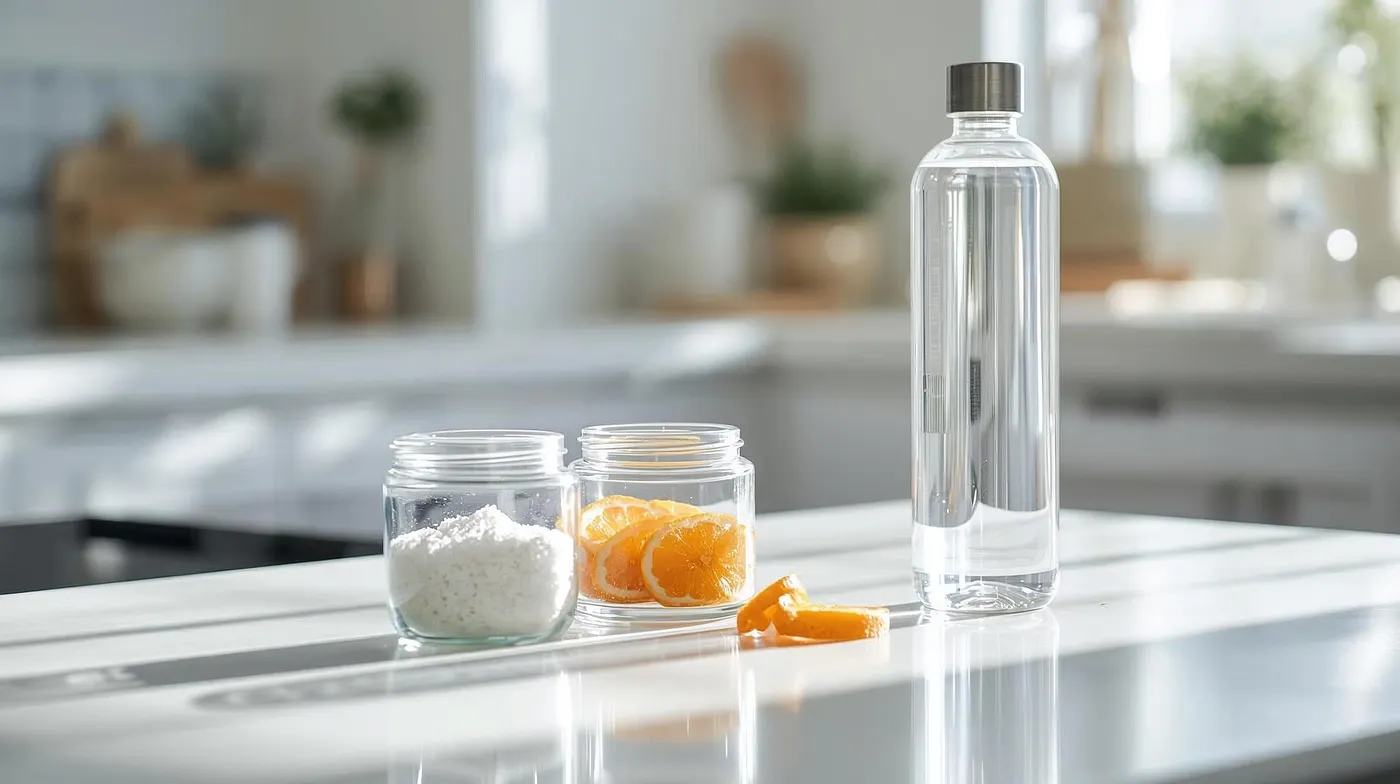
- Airtight glass jar
- Dry container
- Or pre-portioned sachets
Daily Use
- Add 1 teaspoon of your mix to 1 liter water
- Add lemon/lime fresh when drinking
That’s it.
Upgrade: “Grab-and-Go” Electrolyte Packs
If you’re optimizing for lifestyle:
Method 1: Mini Containers
- Use small spice jars or pill containers
- Pre-fill 1 serving each
(If you are looking for precision, fill the right proportion of each ingredient in these containers instead of the bulk mix) - Keep in gym bag, car, office
Method 2: DIY Stick Packs
- Use small zip pouches
- Label: “Electrolytes”
- Prep 10–30 at once
Now you’ve created your own version of commercial sticks, without the markup.
My Simple Electrolyte Setup (What I Personally Use)
No hype. Just what actually works in practice.
Over time, I stopped experimenting with dozens of products and built a simple, repeatable system using a few core ingredients.
This is what I personally use, not because it’s trendy, but because it’s:
- Clean
- Cost-effective
- Easy to batch and reuse daily
If you want to replicate the exact system, I use daily, here’s the simple setup…
Core Ingredients (The Foundation)
- A high-quality mineral salt for sodium
- Potassium chloride for electrolyte balance
- Magnesium for recovery and muscle function
I’ve found this combination to be the simplest and most effective baseline.
Salt (Sodium Source)
I use REDMOND Real Sea Salt because it’s unrefined, clean, and mixes well without additives. https://amzn.to/3OxVjzX
Potassium Source
For potassium, I use “BulkSupplements” Potassium Chloride Powder. It’s straightforward and does exactly what you need, no fillers. https://amzn.to/3QPlSBb
Magnesium Source
I use “BulkSupplements” Magnesium Malate Powder for its bioavailability and neutral taste when mixed. https://amzn.to/4ujBSKu
Tools That Make This Effortless
This is where most people fail, not the ingredients, but the execution friction.
Measuring (Consistency)
A simple set like Spring Chef Magnetic Measuring Spoons Set makes daily mixing fast and consistent. https://amzn.to/4vTyMhA
Pre-Portioning (Game Changer)
This is the biggest upgrade I made.
I pre-mix servings into small containers using 3 Gram Sample Containers with Lids. https://amzn.to/4vXkBIw
Now:
- I don’t measure daily
- I batch ~30–60 servings at once
- I use 1 serving per liter of water
- I squeeze a lime a lemon for Vitamin C
On heavier workout days:
- I may use 2 servings
That’s it. No thinking required. I just grab, pour, mix, and go
It turns this into a system instead of a task
Most people think hydration is about drinking more water. It's not. It's about holding onto the water you drink.
Why I Prefer This Over Store-Bought
Not because store-bought is “bad”, but because this is:
- Cheaper (by a wide margin)
- Customizable (I adjust sodium based on activity)
- Cleaner (no unnecessary additives or sweeteners)
- Scalable (batch once, use for weeks)
Non-DIY Route
If you’d rather skip the DIY route, I’ve also used Ultima Replenisher Daily Electrolyte Powder Drink Mix. It’s a clean, sugar-free option that’s easy to use daily; just note that like most mixes, it’s a bit lower in sodium, so I usually add a small pinch of salt to round it out. You can check it out here: https://amzn.to/3OJQyDu
Note
Some of the links above are affiliate links. If you choose to use them, I may earn a small commission at no extra cost to you. I only recommend what I personally use and have found effective.
Customize Based on Your Lifestyle
1. Keto / Low-Carb / Fasting
- Skip honey
- Increase sodium slightly (up to 1,500 mg if needed)
2. Heavy Sweating / Workouts
- Add extra 1/4 tsp salt
- Add small amount of glucose for performance
3. Daily Wellness / Sedentary
- Lower sodium slightly
- Keep magnesium consistent
Common Mistakes (That Ruin Electrolytes)
Too little sodium
→ You won’t feel hydrated
Too much sugar
→ Blood sugar spikes, crashes
Ignoring magnesium
→ Muscle cramps, poor recovery
Inconsistent dosing
→ No measurable benefit
How Long Can You Store It?
- Bulk dry mix: 1–3 months (airtight, dry)
- Pre-portioned packs: 2–4 weeks optimal freshness
- Mixed liquid: consume within 24 hours
The Bigger Picture: You’re Building a System
This isn’t just about saving money.
It’s about control.
When you build your own electrolyte system:
- You control the quality
- You control the dosage
- You control the cost
- You remove dependency on marketing
ETL Takeaway (Eat · Train · Lead)
Eat → Minerals matter more than macros when it comes to hydration
Train → Performance is often limited by electrolytes, not effort
Lead → Systems beat habits, batch once, execute daily
Commercial electrolyte products are expensive and largely unnecessary. Salt, potassium chloride, and magnesium malate from bulk suppliers cost pennies per serving and match or beat the ratios in premium brands. The only reason to buy pre-made is convenience — and even then, you'd be smart to add a pinch of extra salt since most commercial mixes go light on sodium.
Final Thought
Most people think hydration is about drinking more water.
It’s not.
It’s about holding onto the water you drink.
And that comes down to electrolytes, done right.
Disclaimer
This content is for educational purposes only and not medical advice. Consult a healthcare professional before making significant dietary or supplementation changes.
See how this fits into a simple, evidence-based daily stack.
See the ingredient stack →What I'd Actually Do
- Buy three things: Redmond Real Sea Salt, BulkSupplements Potassium Chloride, and BulkSupplements Magnesium Malate. Total cost is under $30 and lasts months.
- Make a batch of 30 servings using the ratio: 15 tsp salt, 7.5 tsp potassium chloride, 3–5 tsp magnesium malate. Store in an airtight glass jar.
- Add 1 tsp of the mix to a liter of water each day. Squeeze fresh lemon or lime when drinking — adds flavor and trace minerals at no extra cost.
- On heavy training days or in hot weather, double the serving. On rest days, skip or halve it.
- If you're doing keto or extended fasting, bump sodium slightly higher — the kidneys excrete sodium faster when insulin is low.
- Talk to a clinician if you have kidney disease, heart conditions, or high blood pressure before adjusting sodium intake.