When I first started Keto, I was eager. Too eager. I dove right in and cut out carbs overnight, stocked up on eggs and avocados, and waited for the magic to happen.
Instead, I got a pounding headache, muscle cramps, and what everyone on the internet called “keto flu.”
I remember sitting there thinking, If this is health, why do I feel so awful?
The truth? It wasn’t Keto that was the problem — it was my preparation.
My body was still holding on to its old patterns of hydration, salt balance, and meal timing.
That’s when I learned something most people never tell you:
“The success of Keto depends less on how much you restrict — and more on how well you prepare.”
Before your metabolism can burn fat efficiently, it needs stability. And that starts with three things: electrolytes, hydration, and rhythm.
The Forgotten Trio: Sodium, Potassium, and Magnesium
When insulin levels drop as they do when you lower carbs, your body releases water and minerals through the kidneys. That’s one reason people lose “water weight” in the first few days.
But water isn’t the whole story. With it go sodium, potassium, and magnesium, three minerals your body depends on for muscle function, nerve signaling, heart rhythm, and energy production.
Without them, your system feels off-balance. You might experience:
- Fatigue or dizziness
- Headaches or muscle cramps
- Brain fog
- Unusual heartbeats or restlessness
It’s not the diet failing you. It’s dehydration in disguise.
Sodium: The Foundation
For years, we were told to fear salt. But on Keto, it’s essential.
Insulin helps your kidneys retain sodium; when insulin drops, you excrete more of it.
I started adding a pinch of sea salt to my morning water, something I now do almost every day. Within two days, my headaches were gone, and my energy felt stable.
It’s not about eating spoonfuls of salt, it’s about respecting how this mineral keeps your system balanced.
Potassium: The Quiet Stabilizer
Potassium helps regulate muscle contractions and supports your heart.
It also works with sodium to balance fluids inside and outside cells.
When I started adding avocado, spinach, and salmon to my meals, I could feel my body settling down; fewer cramps, more calm.
Natural sources are best:
- Avocados
- Leafy greens (spinach, kale)
- Mushrooms
- Salmon and sardines
- Nuts and seeds
These foods are Keto-friendly and electrolyte-rich.
Magnesium: The Restorative Mineral
If there’s one mineral that deserves a standing ovation, it’s magnesium. It calms nerves, helps sleep, prevents cramps, and supports muscle recovery.
I began taking a small magnesium supplement at night — about 200 mg — and my restless legs disappeared. My sleep deepened. My mornings were easier.
If you prefer natural sources: pumpkin seeds, almonds, spinach, and dark chocolate (yes, the real, unsweetened kind) are great options.
Hydration: More Than Drinking Water
Hydration is not just water, it’s balance.
When insulin is high, your body retains both water and salt. When insulin drops (as it will in Keto), you lose both. Simply drinking more plain water doesn’t fix that; it can actually worsen the imbalance by flushing out more sodium.
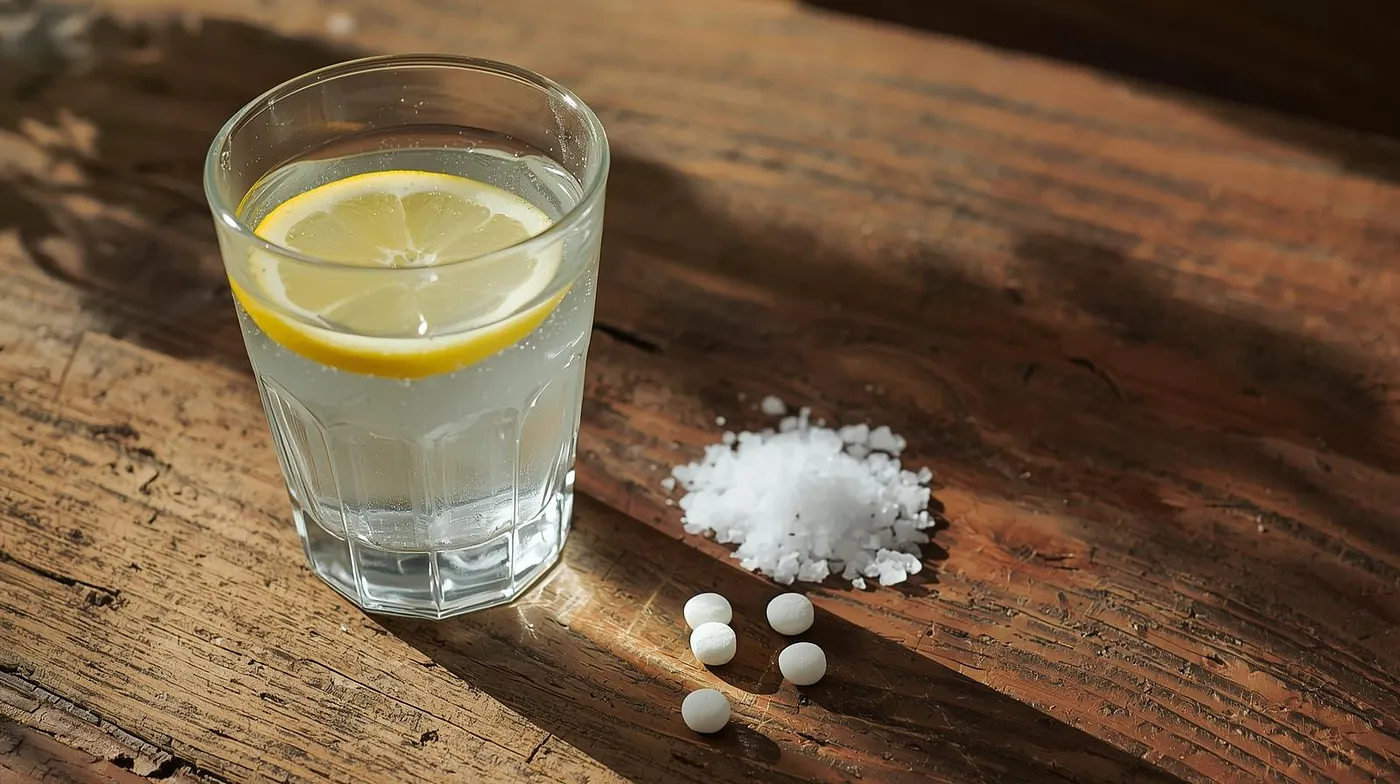
So instead of guzzling gallons of water, I started drinking slowly and mindfully throughout the day, adding electrolytes to at least one bottle. Sometimes I’d use electrolyte powder; other times, just a squeeze of lemon and a pinch of salt.
If you’re transitioning into Keto, aim for:
- 2.5–3 liters of water per day,
- Include electrolytes in one or two of those servings,
- Add broth or soup once a day, especially in your first week.
That alone can prevent 90% of “keto flu.”
Introducing Intermittent Fasting: The Metabolic Warm-Up
Before Keto, I used to eat from sunrise to midnight; breakfast, snacks, lunch, coffee, another snack, dinner, and something “light” before bed.
The idea of skipping a meal felt impossible.
But fasting, even gently, is one of the most powerful ways to teach your body to trust its energy stores again. It’s the practice round for fat adaptation.
Here’s how I started:
Week 1–12:12 Rhythm
I stopped eating 12 hours between dinner and breakfast. That meant if dinner ended at 7 PM, I wouldn’t eat again until 7 AM. Simple, but powerful.
Week 2–14:10 Rhythm
I pushed breakfast to 9 AM. That extra two hours felt surprisingly easy once my hunger stabilized.
Week 3–16:8 Rhythm
By now, my energy felt steady. I naturally ate lunch at noon and dinner at 8 PM — no effort, no hunger pangs.
The best part?
Each week, my cravings diminished. My body was learning that hunger isn’t an emergency.
Fasting and Hormonal Balance
Intermittent fasting doesn’t just reduce calories, it lowers insulin.
Each fasting hour is like a reset, allowing insulin levels to fall naturally.
This gives your body permission to start using stored fat again, even before you go full Keto.
For women, I always recommend approaching fasting gently. Listen to your body. If you feel fatigued or moody, reduce your fasting window. This process is about healing, not control.
The Mental Side of Preparation
Something beautiful happens when you slow down before Keto.
You start paying attention.
You notice how often you eat out of boredom or habit. You notice how certain foods make you bloated or tired. You begin to feel your body’s rhythms again.
That’s when you know you’re ready. Because Keto isn’t just a metabolic shift, it’s a mental one.
The point of preparation isn’t to follow rules; it’s to reconnect.
“Keto works best when you enter it gently, hydrated, and aware.”
My Pre-Keto Checklist
Before I began my 28-day transition (which I’ll detail in the next chapter), I made a small ritual of preparation. It wasn’t about perfection; it was about partnership with my body.
Here’s what I focused on:
- Drinking enough water with electrolytes each day
- Adding salt, avocado, and leafy greens to my meals
- Getting 7–8 hours of sleep
- Reducing sugar and refined carbs slowly
- Practicing a 14:10 or 16:8 fasting rhythm
- Taking note of my hunger patterns and mood
By the time I started my actual Keto plan, my body was calm and not confused. That preparation made all the difference.
Most keto failures in the first two weeks are preparation failures, not willpower failures. Electrolytes and hydration aren't optional extras — they're the infrastructure. The 12:12 fasting rhythm is a genuinely easy on-ramp that makes the actual carb reduction feel far less dramatic than it would cold turkey.
Looking Ahead: The 28-Day Transition
Now that your foundation is set with hydration, minerals, rhythm, you’re ready for the real journey.
In the next chapter, I’ll walk you through my 28-day Keto transition plan, week by week, with real examples of meals, adjustments, and what to expect physically and emotionally.
“Preparation builds the bridge between intention and transformation.”
Next Chapter → Your 28-Day Keto Transition Plan: How to Ease Into Fat Burning Without the Crash
New to this series?
Begin your journey with Chapter 1: Why Everyone’s Talking About Keto — and What It Really Means to discover how your body’s energy system really works — gently, naturally, and at your own pace.
If this resonated, explore the other dimension of Eat · Train · Lead
About the Author
Raj Chanolian is a learner of metabolic science and mindful living. He writes about nutrition, movement, and the intersection of modern science with everyday health habits. His goal is to simplify the physiology behind Keto, making it practical, joyful, and sustainable — for real people with real lives.
See how this fits into a simple, evidence-based daily stack.
See the ingredient stack →What I'd Actually Do
- Start with a pinch of sea salt in your first glass of water every morning — do this before anything else changes. It costs nothing and prevents most early symptoms.
- Add avocado and spinach to at least one meal per day for potassium. You don't need a supplement if your plate has these consistently.
- Take 200mg magnesium glycinate before bed if you're getting leg cramps or poor sleep — this is the one mineral where a supplement genuinely helps most people.
- Start the 12:12 fasting rhythm at least one week before cutting carbs significantly — let the fasting lower insulin first, then reduce carbs in week two.
- Sip bone broth once daily during your first week. It's the single easiest electrolyte delivery system available.
- Talk to a clinician before starting intermittent fasting if you have a history of disordered eating, blood sugar dysregulation, or are pregnant or breastfeeding.
This content is for educational purposes only and not a substitute for professional medical advice. Always consult your healthcare provider before starting any diet or fasting plan.