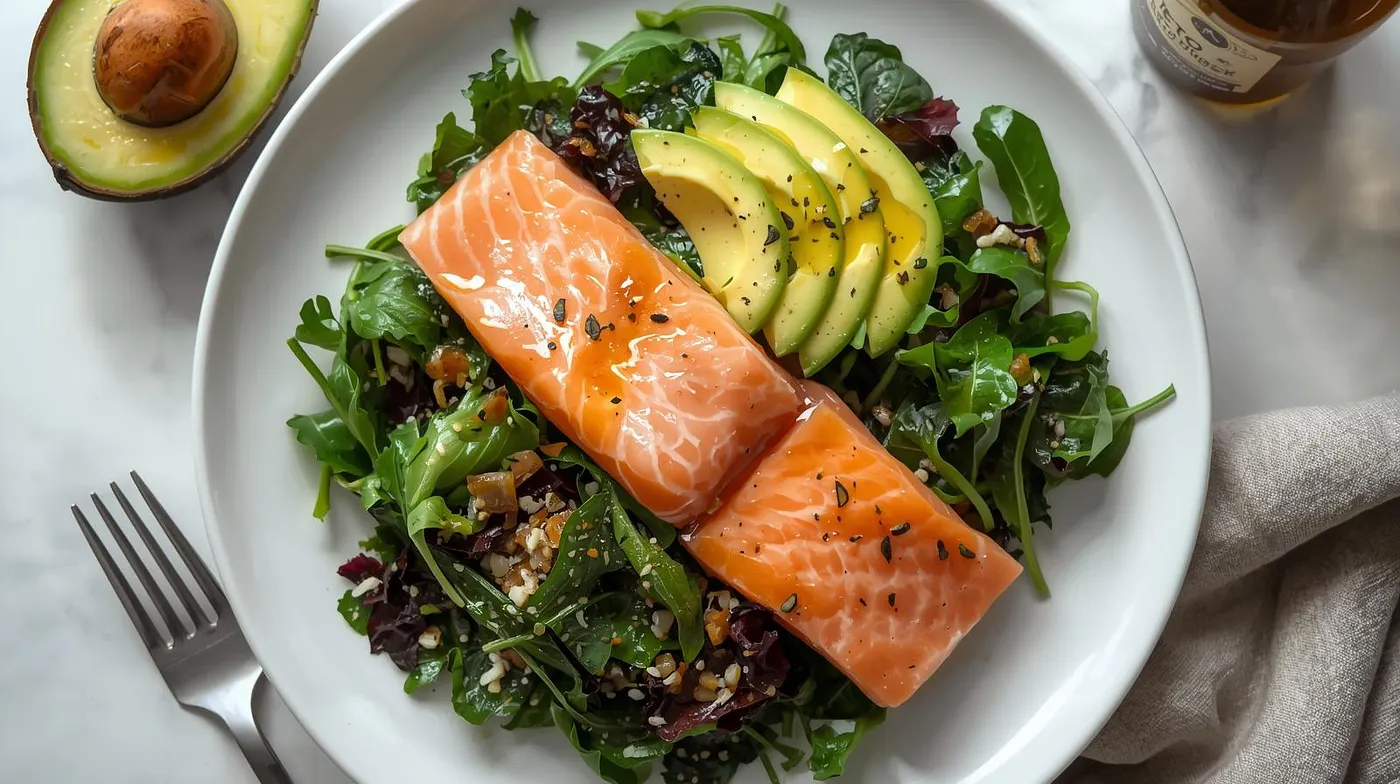
When I first started Keto, I thought it meant saying goodbye to flavor.
No bread. No rice. No dessert. Just eggs, meat, and a lot of “no.”
But a few weeks in, something unexpected happened. Food started tasting better. Real ingredients, clean flavors, and steady energy made eating feel like nourishment again, not a battle between guilt and craving.
That’s when I realized:
“Keto isn’t about restriction. It’s about rediscovery.”
In this chapter, I’ll share how I built my meals, the foods that became my staples, and how to design a plate that satisfies body, brain, and taste buds, all while staying in ketosis.
Step 1: Build from Real Food, Not Rules
If I could summarize Keto cooking in one sentence, it would be:
Eat real food, balance fat with protein, and add color from the earth.
Forget perfection. Forget counting every macro. Focus on the feel of your food: rich, nourishing, and calming.
When your meal leaves you full for hours and your mind clear, you’ve done it right.
My Plate Blueprint
Over time, my meals began following a natural pattern:
- The Foundation — Protein (20–25%)
This is your structure — eggs, chicken, beef, fish, paneer, tofu.
Protein keeps you full, preserves muscle, and anchors your energy. - The Flavor — Fat (70–75%)
Butter, olive oil, ghee, avocado, coconut milk, nuts.
Fat isn’t the villain — it’s the flavor carrier and satiety key. - The Fiber — Vegetables (5–10%)
Leafy greens, zucchini, cauliflower, broccoli, mushrooms.
They bring balance, texture, and crucial micronutrients. - The Finish — Seasonings & Mindfulness
Sea salt, herbs, pepper, garlic, lemon, chili, turmeric — small touches that make food alive again.
When I look at my plate now, it’s 70% plants and healthy fats, 30% protein, colorful, aromatic, and deeply satisfying.
Breakfast — The Calm Start
Mornings used to be my sugar hour — cereal, toast, orange juice.
Now it’s my anchor.
My Go-To Breakfasts
- Avocado & Eggs, Always a Win
Two eggs cooked in butter, half an avocado, sprinkle of salt and chili flakes.
It’s creamy, rich, and ready in five minutes. - Coffee, Upgraded
Coffee blended with a teaspoon of butter, ghee or coconut oil. The fat slows caffeine’s spike, giving calm focus instead of jitters. - Spinach Omelet with Cheese
Eggs, chopped spinach, shredded mozzarella, olive oil drizzle.
Pair with green tea or black coffee. - Coconut Yogurt Bowl (for a light day)
Unsweetened coconut yogurt topped with a few walnuts and soaked chia seeds. Add a sprinkle of cinnamon.
Breakfast Tip
Don’t force yourself to eat if you’re not hungry.
Many Keto mornings naturally turn into intermittent fasting, and that’s okay.
“The first sign of fat adaptation is peaceful mornings without hunger.”
Lunch — The Power Meal
Lunch is where I lean into structure and satiety.
It’s the meal that powers the rest of my day, and with Keto, it no longer comes with the 3 PM crash.
My Favorite Lunches
Grilled Chicken with Olive Oil Salad
- Chicken thigh or breast, grilled or baked.
- Mixed greens with olive oil, avocado, and lemon.
- Optional: sprinkle of feta or parmesan.
Salmon with Broccoli & Butter Sauce
- Pan-seared salmon in ghee, steamed broccoli, garlic butter drizzle.
Beef Pepper Fry with Cauliflower Rice
- Sliced beef sautéed with onions, pepper, garlic, and curry leaves.
- Serve over riced cauliflower.
Paneer Stir-Fry (Vegetarian option)
- Cubes of paneer, bell peppers, and mushrooms tossed in butter, turmeric, and cumin.
Every lunch has one purpose: energy without heaviness.
Dinner — The Comfort Close
Dinner on Keto is surprisingly relaxing.
No sugar spikes, no late-night cravings; just real food that feels like closure, not chaos.
My Evening Staples
Creamy Chicken Curry (Coconut-based)
- Chicken thighs cooked in coconut milk, garlic, ginger, and turmeric.
- Serve with sautéed spinach or roasted zucchini.
Kerala-Style Mackerel Curry
- Mackerel simmered in coconut gravy with tamarind and curry leaves.
- Rich, spicy, and perfectly Keto.
Eggplant Lasagna
- Slices of eggplant layered with ground beef and cheese, baked until golden.
- Comfort food that surprises even non-Keto eaters.
Garlic Butter Shrimp with Zoodles
- Shrimp tossed in butter, garlic, and chili flakes.
- Served on zucchini noodles (zoodles).
Evening Tip
If you enjoy wine, dry varieties (like pinot noir or sauvignon blanc) in moderation are Keto-friendly, but treat them as occasional indulgence, not routine. Alcohol pauses fat metabolism temporarily.
Snacks — The Smart Bridges
You’ll snack far less on Keto, but when you do, keep it simple:
- Handful of nuts (almonds, macadamia, pecans).
- Cheese slices or cubes.
- Boiled eggs with salt.
- Celery sticks with peanut butter.
- Olives or pickles.
- Keto fat bombs (nut butter + coconut oil + cocoa).
One small tip I learned: eat snacks slowly. They’re bridges, not meals.
Desserts — The Joyful Twist
Yes, dessert belongs in Keto; it’s just made differently.
Chocolate Mousse
- ½ cup heavy cream, 1 tbsp unsweetened cocoa, 1 tsp erythritol.
- Whip until soft peaks form. Chill.
Coconut Almond Balls
- Mix shredded coconut, almond butter, and a touch of vanilla extract.
- Roll and refrigerate.
Cheesecake Bites
- Blend cream cheese, eggs, lemon juice, and erythritol.
- Bake in muffin tins and chill.
The trick is not replacing every sugar craving with a “Keto version”. It’s learning to enjoy sweetness as an accent, not a habit.
“When your body stops craving sugar, dessert becomes art, not addiction.”
What to Avoid (or Approach Mindfully)
Keto isn’t about deprivation, it’s about awareness.
Here’s what I limit or avoid altogether:
I also learned that eating out doesn’t have to mean “cheating.”
I simply focus on proteins and veggies like grilled meats, salads with olive oil, or omelets and skip the bread or fries.
My Secret Ingredients
Every kitchen has a soul. Mine became stocked with ingredients that made Keto easy, flavorful, and forgiving:
- Fats: butter, ghee, olive oil, avocado oil, coconut oil
- Proteins: eggs, chicken, salmon, beef, shrimp, paneer, tofu
- Vegetables: spinach, kale, zucchini, cauliflower, mushrooms, eggplant
- Flavoring: garlic, ginger, chili, turmeric, curry leaves, lemon
- Nuts & Seeds: almonds, walnuts, chia, flaxseed, sunflower seeds
- Sweeteners: erythritol, monk fruit (used sparingly)
With these, I could cook dozens of meals without boredom be it Indian, Mediterranean, Asian, even Tex-Mex.
Visualizing Portions
I don’t weigh food anymore. Instead, I use my hand:
- 🖐 Palm: Protein (chicken, fish, paneer)
- 👍 Thumb: Fats (butter, oil, dressing)
- ✋ Open Hand: Vegetables or salad
It’s liberating; intuitive, not obsessive.
The Emotional Side of Eating
Keto taught me something profound about hunger:
Most of it isn’t physical.
It’s emotional, habitual, or social. The more I balanced my energy and insulin, the quieter that noise became.
Now, food feels peaceful. Meals are rituals, not reactions.
“Once you stop chasing food, you start savoring it.”
The Golden Rule
The keto kitchen doesn’t need to be restrictive or boring — it just needs a different pantry logic. Once you have good fats, quality protein, and a rotation of 6–8 vegetables you actually enjoy, the meals write themselves. The emotional relief of not being hungry two hours after every meal is, for most people, the real turning point.
If I had to distill everything I learned into one simple idea, it’s this:
Eat when you’re hungry. Stop when you’re calm.
That’s it. That’s the rhythm Keto gives you — not control, but clarity.
Looking Ahead
Now that we’ve brought Keto into the kitchen, the next part of this journey expands beyond food, into movement, metabolism, and energy systems.
In the upcoming chapter, I’ll share how I connected Keto with fitness, understanding how the phosphagen, anaerobic, and aerobic systems each play a role in fat-burning, strength, and endurance, and how simple movement patterns can multiply your results.
Because energy isn’t just about what you eat.
It’s about how you use it.
“Keto gives you the fuel. Movement gives that fuel meaning.”
Next Chapter → Moving with Keto: Understanding Energy Systems and the Joy of Movement
New to this series?
Begin your journey with Chapter 1: Why Everyone’s Talking About Keto — and What It Really Means to discover how your body’s energy system really works — gently, naturally, and at your own pace.
If this resonated, explore the other dimension of Eat · Train · Lead
About the Author
Raj Chanolian is a learner of metabolic science and mindful living. He writes about nutrition, movement, and the intersection of modern science with everyday health habits. His goal is to simplify the physiology behind Keto, making it practical, joyful, and sustainable — for real people with real lives.
Get keto meals built around your own numbers — no guesswork.
Generate a recipe →What I'd Actually Do
- Build a 5-item keto pantry first: eggs, avocado, butter/ghee, spinach, and one quality protein (salmon or chicken thighs). These five foods alone can produce 15 different meals.
- Don't force breakfast if you're not hungry — a fat-adapted morning without eating is a feature, not a bug. Start with coffee or tea and see how long you naturally go.
- Use the hand-portion method instead of weighing: palm for protein, thumb for fat, open hand for vegetables. It works after about a week of practice.
- Stock one or two keto dessert recipes for social situations — the coconut almond balls or chocolate mousse take 10 minutes and prevent you from reaching for something worse.
- When eating out, default to: grilled meat or fish, side salad with olive oil, skip the bread or fries. You don't need a special "keto restaurant."
- Talk to a clinician if you're managing cholesterol actively — significant dietary fat changes can shift lipid panels and your doctor should know what you're doing.
This content is for educational purposes only and not a substitute for professional medical advice. Always consult your healthcare provider before starting any diet or fasting plan.