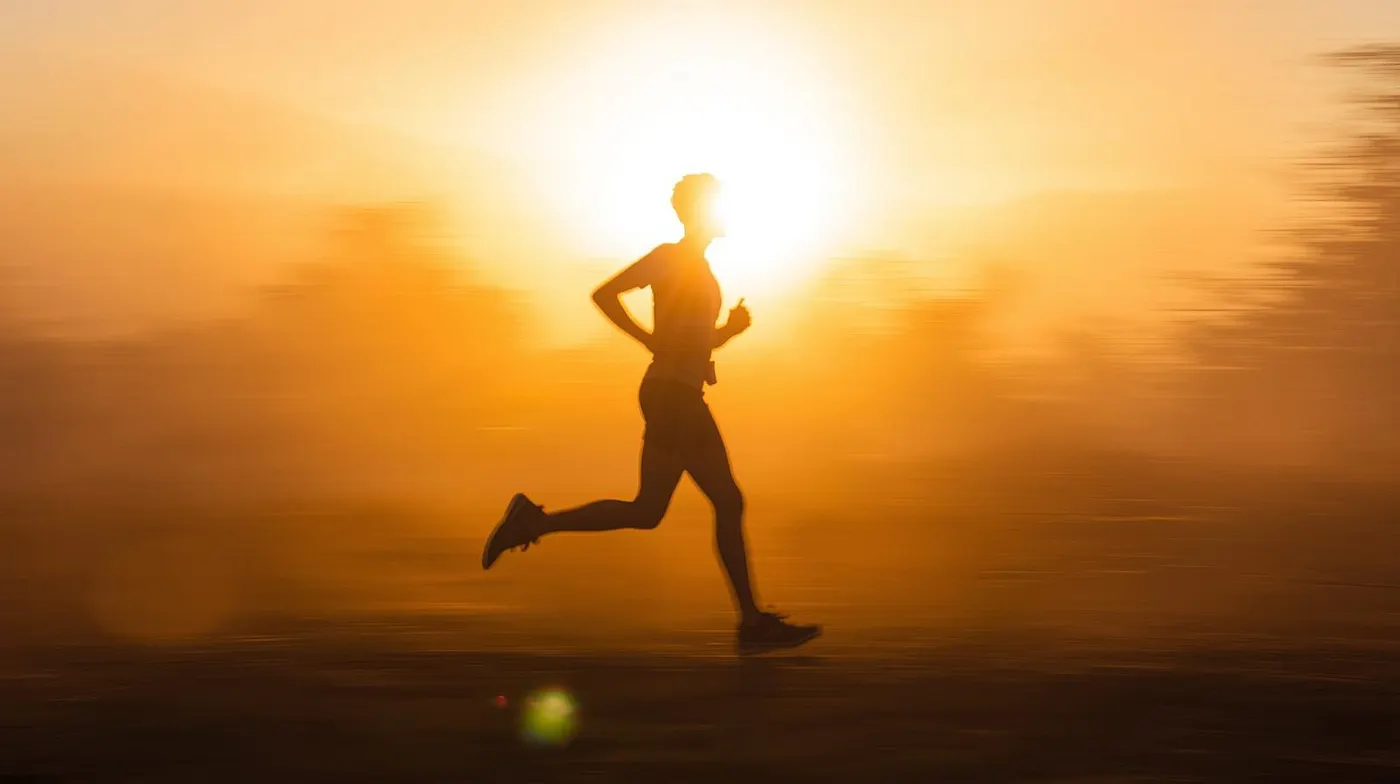
When I first went Keto, I thought exercise would be the hardest part.
After all, how could I work out without carbs?
The truth surprised me.
Once my body adapted, movement became lighter.
My runs felt smoother, my recovery faster, and my focus during workouts almost meditative.
That’s when I realized:
“Food gives you fuel. Movement gives that fuel meaning.”
In this chapter, I’ll walk you through the science of how our bodies create energy, the phosphagen, anaerobic, and aerobic systems, and how each connects beautifully with Keto.
Then we’ll translate that science into practice: resistance work, daily walking, and joyful cardio that keeps progress sustainable.
The Three Engines of Human Energy
Your body doesn’t rely on just one energy source.
It rotates through three overlapping systems, depending on what you’re doing:
- Phosphagen System — short, explosive bursts (power and strength).
- Anaerobic System — moderate-intensity efforts (speed and muscle endurance).
- Aerobic System — long, steady activities (fat-burning endurance).
Think of them as gears:
You shift automatically between them all day, from lifting a box to climbing stairs to walking after dinner.
1. The Phosphagen System — Pure Power
This is your body’s lightning-fast energy source.
It uses ATP (adenosine triphosphate) and creatine phosphate stored in your muscles to generate energy instantly, no oxygen, no carbs required.
It lasts about 10 seconds, enough for a sprint, a deadlift, or a push-up burst.
Keto works beautifully here once your muscles adapt.
Early on, performance may dip slightly because glycogen (stored carbs) is lower. But as fat adaptation deepens, your body replenishes ATP efficiently through fat-derived pathways.
How I train this system:
- Short sprints (10–15 seconds).
- Heavy lifts (5–6 reps).
- Body-weight bursts — jump squats, push-ups, kettlebell swings.
I rest fully between sets. The goal is power, not exhaustion.
2. The Anaerobic System — Controlled Intensity
When effort lasts between 30 seconds and 2 minutes, your body switches to anaerobic glycolysis, breaking down glucose for rapid energy without oxygen.
On Keto, this system adjusts.
Because glycogen stores are smaller, your body becomes incredibly efficient at recycling lactate (the by-product of exertion) and using fat to refill small glycogen reserves between workouts.
I used to think I’d need pre-workout carbs to handle this zone. But with proper electrolytes and hydration, I perform better now than before Keto.
How I train this system:
- Circuit training (body weight or dumbbell).
- Resistance bands with short rest periods.
- 15–20-minute HIIT (once or twice weekly).
The key is recovery.
If you overdo anaerobic sessions early in Keto, fatigue follows. Gradually build intensity as your fat adaptation improves.
3. The Aerobic System — The Long Game
This is where Keto truly shines.
The aerobic system powers all activities that last beyond a few minutes — walking, hiking, cycling, dancing, even cleaning the house.
It’s fat’s home turf.
When insulin is low and your body is in ketosis, it accesses vast energy reserves efficiently.
The longer you move gently, the better your body becomes at burning fat — not just during activity but at rest.
How I train this system:
- Walking: 7–10K steps daily, rain or shine.
- Hiking: once a week for endurance and joy.
- Yoga or Tai Chi: mindful movement that supports recovery, also works
- Low-intensity cardio: cycling, rowing, swimming, also works
“The aerobic zone is where you teach your body that fat is fuel, not storage.”
Resistance Training on Keto
When people think of Keto, they think of weight loss, not strength.
But maintaining muscle is non-negotiable. Muscle protects metabolism, stabilizes insulin, and keeps you functional as you age.
The good news: Keto and strength training go hand in hand once protein intake is sufficient.
Here’s how I approached it:
- Start with the basics.
Push-ups, squats, planks, lunges. Body weight builds stability first. - Progress slowly.
Add resistance bands, dumbbells, or kettlebells.
Focus on form, not numbers. - Lift heavy, rest well.
Three sessions per week are enough — 45 minutes each, alternating muscle groups. - Fuel recovery.
Post-workout, I prioritize protein and hydration. A simple meal — grilled salmon with buttered spinach does more than any supplement.
“Muscle is not just about strength. It’s your body’s most powerful glucose buffer.”
Walking: The Most Underrated Fat-Burner
If I could prescribe one universal activity for everyone starting Keto, it would be walking.
It’s gentle, adaptable, and metabolically profound.
Walking lowers insulin, enhances oxygen delivery, and mobilizes fat without stressing cortisol.
I started with 5,000 steps a day and gradually built to 10,000. But I stopped caring about the number — what mattered was the ritual.
- A short walk after each meal aids digestion.
- Morning sunlight regulates circadian rhythm and improves sleep.
- Evening walks clear mental fog and ease transitions from work to rest.
Walking became my meditation. It stitched the day together.
Cardiorespiratory Fitness: Mixing Movement Modes
To stay metabolically flexible, I mix movement intensities through the week:
This balance keeps cortisol low, mitochondria active, and my joints happy.
Electrolytes and Hydration in Training
Keto workouts demand mindful hydration.
When insulin drops, sodium loss increases, so sweat sessions deplete faster.
My workout hydration formula:
- Before: 500 ml water + pinch of salt.
- During: Sips of water or electrolytes (no sugar).
- After: Broth or water with lemon and sea salt.
If I train intensely, I’ll add magnesium glycinate (200 mg) before bed to support recovery.
Recovery: Where Progress Actually Happens
Fat loss, muscle growth, and hormonal balance all depend on rest.
Sleep 7–8 hours. Stretch gently post-workout.
Take one full rest day weekly.
I treat recovery like training — deliberate, not accidental.
“You don’t get stronger during the workout. You get stronger when your body feels safe enough to rebuild.”
Joyful Movement — The Missing Piece
Keto changed how I eat, but movement changed how I live.
It’s easy to turn exercise into obligation. I did that for years by counting steps, tracking calories burned, chasing results.
Now, I move for expression and not measurement.
Some days it’s a brisk walk listening to music.
Some days, I lift weights in silence.
Other days, I dance with my family in the kitchen.
That joy is what keeps you consistent.
When you find movement that feels playful, not punishing, your body responds metabolically, mentally, emotionally.
“Consistency is born not from discipline, but from delight.”
How Keto Enhances Every Energy System
Let’s connect the dots one last time.
The more balanced your training, the more efficiently your body moves between these systems, the very definition of metabolic flexibility.
That’s why Keto and mindful movement belong together:
Keto teaches your body what to burn; movement teaches it how.
Keto and exercise are more compatible than most people expect — once you’re past the first two weeks of adaptation. Walking is genuinely powerful and underestimated. Strength training preserves the muscle that protects your metabolism long-term. The phosphagen system performance dip is real but temporary, and most people find their endurance actually improves once fat-adapted.
Looking Ahead
In the next and final chapter, we’ll bring everything together — tracking, mindfulness, sustainability, and long-term balance.
You’ll learn how to measure progress without obsession, use apps and biofeedback smartly, and transition Keto from a “plan” to a peaceful, permanent rhythm.
Because the real goal isn’t just fat loss or fitness — it’s freedom.
“Once your fuel, movement, and mindset align, health stops being something you chase. It becomes the way you live.”
Next Chapter → Tracking, Progress, and Sustainability — Making Keto Work for Life
New to this series?
Begin your journey with Chapter 1: Why Everyone’s Talking About Keto — and What It Really Means to discover how your body’s energy system really works — gently, naturally, and at your own pace.
If this resonated, explore the other dimension of Eat · Train · Lead
About the Author
Raj Chanolian is a learner of metabolic science and mindful living. He writes about nutrition, movement, and the intersection of modern science with everyday health habits. His goal is to simplify the physiology behind Keto, making it practical, joyful, and sustainable — for real people with real lives.
Cardio without a target drifts to Zone 3. Find the zones that train what you actually want.
Find your heart-rate zones →What I'd Actually Do
- Start with walking — 5,000 steps/day in week one of keto, then build to 7–10K by week three. Don't add intense cardio until your fat adaptation is established.
- Add 500ml water with a pinch of salt before any training session — sodium loss accelerates with sweat on keto, and you'll feel the difference immediately.
- Keep strength training to 3 sessions per week, 45 minutes, during early keto adaptation. This is enough to preserve muscle without overtaxing recovery.
- If you hit a wall mid-workout during your first two weeks, it's glycogen depletion — take a rest day, not a carb load. Your body is adapting, not failing.
- Take 200mg magnesium glycinate before bed on training days — it meaningfully improves sleep and recovery on keto.
- Talk to a clinician if you experience heart palpitations during exercise on keto — this is almost always electrolyte-related, but worth checking.
This content is for educational purposes only and not a substitute for professional medical advice. Always consult your healthcare provider before starting any diet or fasting plan.