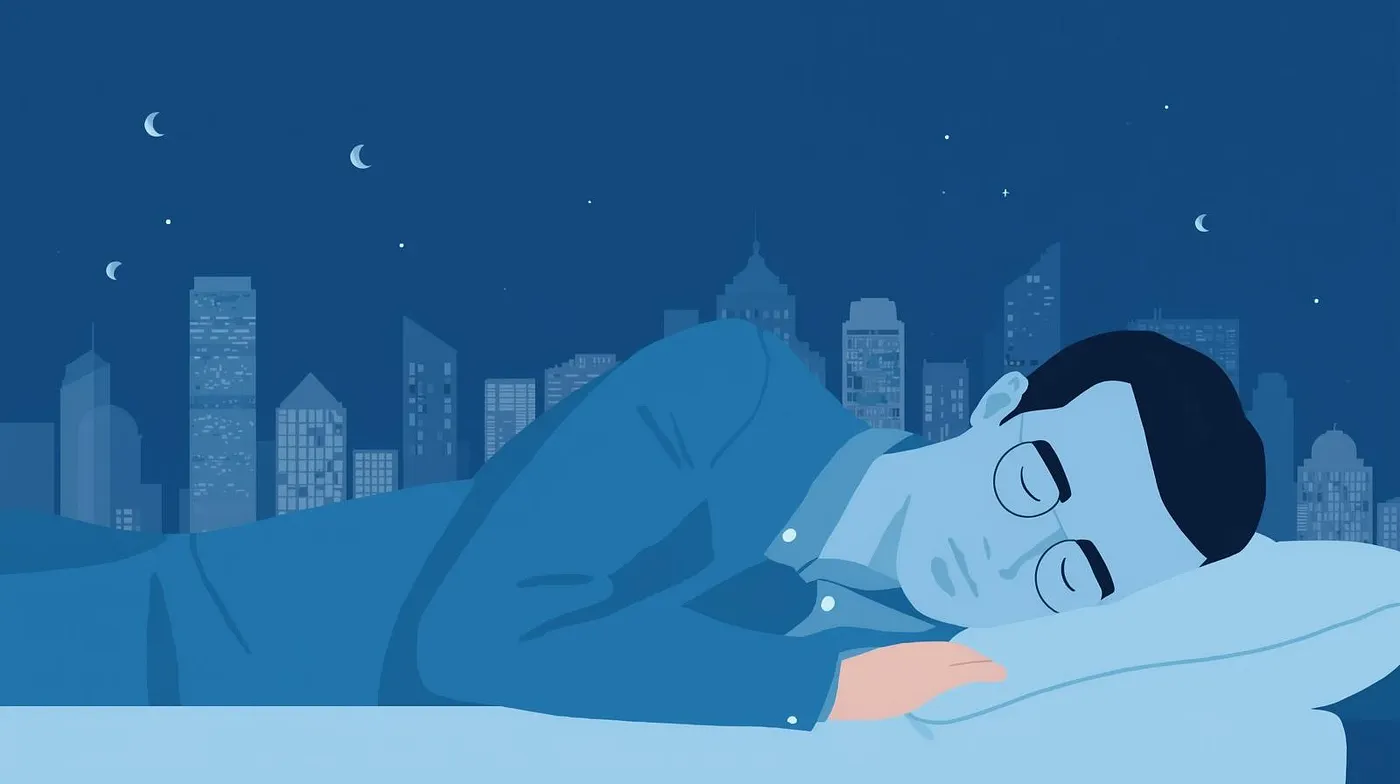
The Wake-Up Call
For years, I wore sleep deprivation as a badge of honor.
Late-night emails, early-morning gym sessions, and weekend project catchups. It was all part of the hustle. I thought I was being productive. But in reality, I was running on fumes.
I remember one Monday vividly. I was leading a critical AWS infrastructure review, hundreds of thousands of transactions depended on it. My mind was foggy, my patience thin. When a minor database failover issue arose, I snapped at the team. Later that evening, after reviewing the logs, I realized it was my oversight. My decision fatigue, born from lack of rest, had turned a technical hiccup into a leadership failure.
That night, I realized something profound:
Sleep isn't a luxury. It's a leadership performance enhancer.
The Science of Strategic Sleep
When you strip away the motivational noise, leadership is fundamentally about decision-making, emotional regulation, and strategic foresight.
All three deteriorate without proper sleep.
Harvard Business Review once compared 24 hours of wakefulness to a 0.10% blood alcohol level, essentially being cognitively drunk. You wouldn't make million-dollar decisions under the influence, yet many leaders do it every day under sleep debt.
Sleep strengthens the prefrontal cortex, the brain's executive control center. It's where empathy, creativity, and rationality converge, the very traits that define influential leaders.
For me, the shift began when I started tracking my sleep using my Withings ScanWatch Nova and my Ultra Human Ring. Seeing my deep sleep percentage dip below 10% while expecting peak performance was like discovering a system alert in my own body.
The 30-Day Sleep Optimization Challenge
I decided to treat sleep as I would any engineering optimization project, with metrics, baselines, and iteration.
Phase 1: Observation:
I kept my routine unchanged but tracked everything from bedtime, caffeine, workouts, screen time.
Average deep sleep? 42 minutes.
Mood? Irritable. Focus? Scattered.
Phase 2: Interventions:
- Cut caffeine after 2 PM.
- No screens 30 minutes before bed.
- Moved workouts to morning.
- Added magnesium and tart cherry juice.
- Kept bedroom temp at 68°F.
Phase 3: Results:
Within two weeks, my deep sleep doubled. My morning fog lifted.
But the most surprising outcome wasn't physical, it was emotional. I was more patient in meetings. More creative in problem-solving. More present in conversations.
My leadership improved not by adding more hours to my day but by improving the quality of the ones I already had.
ETL Framework
Eat — Fueling Restorative Sleep
Sleep quality starts on your plate.
- Avoid heavy dinners and alcohol. They disrupt REM cycles.
- Add sleep-supportive nutrients: tryptophan (found in turkey, bananas, oats), magnesium (almonds, spinach), and omega-3s (salmon, chia).
- Time your meals. Finish dinner 2–3 hours before bed to allow digestion and stable insulin levels.
I personally shifted my evening routine to a warm herbal tea (ashwagandha or chamomile) and light protein meal. The difference was dramatic, deeper rest, fewer mid-night wakeups.
Train — Move for Better Recovery
Exercise is nature's sleep regulator but timing matters.
Morning workouts prime your circadian rhythm, while late-evening intense sessions can spike cortisol.
When I moved my HIIT sessions from 8 PM to 6 AM, I noticed my heart rate variability (HRV) improved by 15% and my sleep onset dropped from 22 minutes to 8.
Your body loves rhythm. Train it like clockwork, and it rewards you with deeper, more restorative rest.
Lead — Rest as a Competitive Edge
In leadership, calm clarity wins over constant activity.
Sleep transforms how you lead:
- You listen better.
- You respond instead of reacting.
- You connect decisions to long-term vision, not short-term urgency.
I began introducing "recovery Fridays", no meetings after 3 PM, quiet time for reflection and planning. It wasn't just for me; it modeled a culture of balance. The team became sharper, more innovative, and less burnt out.
Leaders who sleep well don't just manage energy. They multiply it across their teams.
Key Takeaways
- Treat sleep like a KPI. Track, measure, and improve it as seriously as business metrics.
- Routines build resilience. Consistency in sleep and wake times is more powerful than weekend catchups.
- Nutrition + movement fuel recovery. Sleep is built during the day, not at night.
- Leading by example creates culture. When leaders value rest, teams learn to balance excellence with sustainability.
The Final Thought
In the tech world, we obsess over uptime, latency, and throughput.
But in leadership, our human system availability is the most fragile, and the most valuable.
Sleep is not the pause between work; it's the process that makes work meaningful. Once you realize that, you'll never see rest as wasted time again.
If this resonated, explore the other dimensions of Eat · Train · Lead. Each piece builds a stronger, more aligned you.
The performance cost of sleep debt is real and measurable — I know because I tracked it. The interventions aren't exotic: earlier caffeine cutoff, cooler room, no screens before bed, morning workouts. None of this requires a gadget. The tracking helped me believe the data instead of arguing with it, but the habits are what moved the needle. If you're a leader who still wears exhaustion as a badge, this is the experiment I'd run first.